
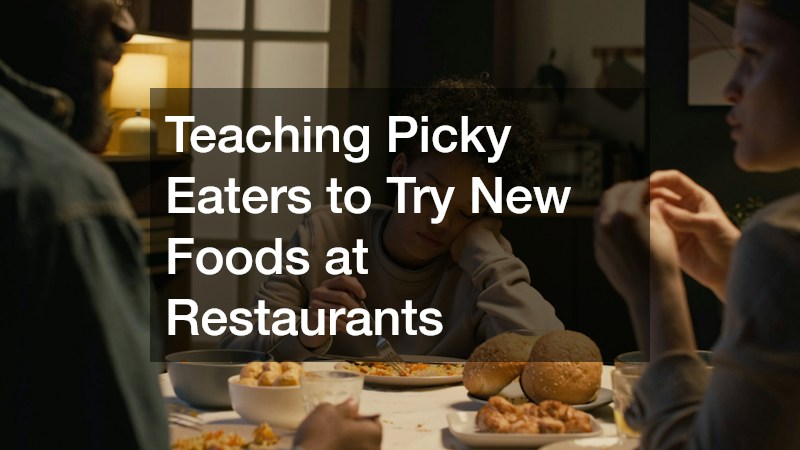
Dining out with a picky eater can feel like a high-stakes negotiation, especially when a menu full of unfamiliar dishes meets a child who wants nothing more than plain noodles. The good news is that restaurants are actually one of the best places to gently expand a child’s palate, since the social setting, new smells, and excitement of eating out naturally lower resistance. With a few practical strategies, parents can turn restaurant meals into low-pressure opportunities for growth instead of dreaded battles. This article walks through realistic, tested approaches for encouraging picky eaters to explore new foods without tears or wasted meals.
Set Realistic Expectations Before You Arrive
Picky eating often gets worse when parents expect an instant transformation the moment a new dish appears on the table. A child who has spent years avoiding anything green or unfamiliar isn’t going to suddenly embrace mussels or curry just because you’re out to dinner. Instead, aim for small, incremental wins, like getting a child to touch, smell, or take one bite of something unfamiliar. Define what success looks like before you even leave the house, and keep the bar low. Maybe tonight’s goal is simply putting one unfamiliar item on their plate without a meltdown, or licking a sauce they’ve never tried. Save the “clean plate” expectations for foods you already know they’ll eat, and treat any interaction with a new food as a genuine win worth acknowledging. Talking through the plan before you leave home helps children mentally prepare instead of feeling ambushed by pressure once you’re seated. A quick five-minute conversation in the car or at home—covering what restaurant you’re going to, what kind of foods might be on the menu, and what you’ll ask them to try—can make a real difference. Giving kids a sense of control, like letting them choose which one new food to sample or deciding whether they’ll smell it or take a bite, also reduces resistance considerably. It also helps to set a time limit on your expectations, such as one small taste within the first ten minutes, rather than hovering over them for the entire meal. This keeps the pressure contained to a brief moment instead of casting a shadow over the whole dinner. Once the taste attempt is over, whether they liked it or not, let the subject drop and let everyone enjoy the rest of the meal.
- Explain that trying doesn’t mean finishing the whole dish — one real bite, chewed and swallowed, counts as a win
- Agree on a signal or code word for “I don’t like this” (a thumbs-down under the table works) so mealtime stays calm and no one has to announce it out loud
- Set a “one new bite” rule per outing rather than pressuring them to try everything on the plate
- Remind kids that they can always fall back on a familiar side dish, like plain rice or bread, so trying something new never means going hungry
- Praise effort over outcome, even if the bite gets spit into a napkin — a simple “thanks for trying that” reinforces the behavior you want repeated
Choose a Menu That Offers Familiar and New Options Together

The type of restaurant you choose can make or break the experience for a picky eater. Some of the best restaurants for introducing new foods are the ones with varied menus that pair familiar comfort foods, like rice, bread, or grilled chicken, alongside more adventurous options. This gives kids an anchor of something they already trust while still being surrounded by new smells, textures, and flavors they might eventually want to sample.
- Look for menus with customizable bowls or build-your-own options
- Choose spots where you can order a variety of small plates to share
- Avoid overly formal restaurants where slow service increases hunger-driven meltdowns
- Read menus online ahead of time so you can preview choices with your child
Let Kids Order Their Own Food When Possible
Giving children a sense of control over their meal often reduces the anxiety that fuels picky eating. When kids are allowed to choose from a few parent-approved options, they feel ownership over the outcome, which makes them more willing to try something new. Even small decisions, like picking the sauce or choosing between two vegetables, can shift a child from resistant to curious.
It also helps to involve children in the ordering conversation with the server. Kids who speak up for themselves, even just to say “I’ll try the broccoli,” tend to feel more invested in actually eating it. This small act of independence can carry over into future meals at home as well.
Use the Restaurant Setting to Model Adventurous Eating
Children are remarkably observant, and they often take cues from watching adults enjoy unfamiliar foods without hesitation. When parents order something new themselves and react with genuine enthusiasm, it signals to kids that trying new things is normal and even fun. This modeling works far better than lectures about nutrition or vague comments like “just try it.”
- Narrate what you’re tasting in simple, positive language
- Offer a bite of your dish without pressuring your child to reciprocate
- Avoid negative reactions to your own food, even if it’s not to your taste
- Turn tasting into a game, like guessing the ingredients together
Keep the Pressure Low and the Mood Light
Mealtime pressure is one of the biggest reasons picky eaters dig in their heels. Bribery, threats, or long negotiations over a single bite tend to backfire and create negative associations with the entire dining experience. Instead, keep the conversation casual, talk about other topics, and let the food sit on the table without becoming the center of attention.
It also helps to accept that not every outing will end in a food breakthrough, and that’s perfectly fine. Consistency over time matters more than any single meal, so treat each restaurant visit as one small step in a longer process. Celebrating tiny victories, like a sniff or a lick, keeps momentum going without the stress of forced compliance.
Helping a picky eater branch out doesn’t happen overnight, but restaurants offer a uniquely relaxed environment to practice patience, curiosity, and small acts of bravery around food. By setting expectations, choosing the right menu, and keeping pressure low, parents can turn dining out into a positive, low-stakes learning experience. Start with one small step during your next meal out, and build from there one bite at a time.
