
If your toddler bounces from one toy to the next every few minutes, you are not alone. Short attention spans are a normal part of early development, and toddlers are naturally wired to explore everything around them. Still, the ability to focus is an important skill that supports learning, language, and problem solving later in life. The good news is that parents can gently nurture it through everyday routines. Reducing distractions, following your child’s interests, keeping sessions short, and choosing engaging activities for toddlers can all help your little one practice concentrating for longer periods. With patience and realistic expectations, you can help your child build a stronger attention span while keeping learning fun and pressure-free.
How Long Should a Toddler Be Able to Focus?
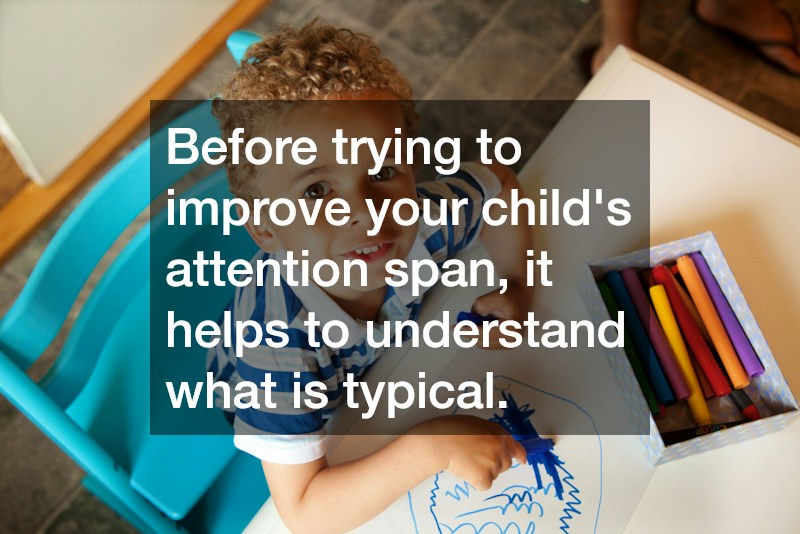
Before trying to improve your child’s attention span, it helps to understand what is typical. A common rule of thumb suggests that young children can focus on a single task for roughly two to three minutes per year of age. That means a two-year-old may concentrate for about four to six minutes, while a three-year-old might manage a bit longer. These numbers are only general guidelines, and every child is different. Attention can also vary depending on mood, hunger, tiredness, and how interesting the activity is. A toddler who wanders away from a puzzle after a few minutes may happily spend much longer examining a bug in the backyard. Keeping expectations realistic helps parents avoid frustration and focus on steady progress.
Create a Distraction-Free Space
Toddlers are easily pulled in many directions by noise, movement, and bright objects. Creating a calm environment can make it much easier for them to concentrate. Turn off the television and put away phones or tablets during playtime, since background screens compete for your child’s attention even when they are not watching directly. Choose a quiet corner with good lighting and a comfortable place to sit. Limit the number of toys available at one time, as a crowded play area can feel overwhelming. Many parents find that rotating toys every week or two keeps playtime fresh and encourages deeper engagement. When fewer options are competing for attention, toddlers are more likely to settle into one activity and explore it fully.
Follow Your Child’s Interests
Children naturally focus longer on things that excite them. If your toddler loves animals, trucks, or water play, use those interests as a starting point. A child fascinated by dinosaurs may spend several minutes sorting toy figures by size or color, while a child who loves cars might enjoy lining them up or rolling them down a ramp. Paying attention to what captures your child’s curiosity helps you choose activities that hold their interest naturally. When toddlers are engaged in something they enjoy, they practice focus without even realizing it. Over time, this builds the concentration skills they will later apply to less exciting tasks, such as following directions or finishing a project at preschool.
Choose Engaging Activities for Toddlers
The right activities can give toddlers plenty of opportunities to practice focus in a fun, hands-on way. Simple puzzles with large pieces encourage problem solving and persistence. Stacking blocks, threading large beads, and sorting objects by color or shape help strengthen concentration along with fine motor skills. Play dough invites creativity and keeps little hands busy for extended periods. Reading picture books together is another excellent option, especially when you pause to ask questions or point out details in the illustrations. Sensory bins filled with rice, beans, or water can also hold a toddler’s attention for surprisingly long stretches. Well-chosen activities for toddlers challenge them just enough without causing frustration, which helps them stay engaged and build confidence.
Keep Sessions Short and Positive
Toddlers learn best in small doses. Rather than expecting your child to sit through a long activity, start with brief sessions and gradually extend them as their attention span grows. If your toddler loses interest, it is perfectly fine to move on and try again later. Ending an activity on a positive note keeps your child eager to return to it. Praise effort rather than results, such as saying, “You worked so hard on that puzzle,” instead of focusing only on whether it was finished. This encourages persistence and helps toddlers associate focused play with good feelings. Pushing too hard can lead to frustration and resistance, so patience is one of the most helpful tools a parent can offer.
Why Do Routines and Movement Help?
Predictable routines give toddlers a sense of security, which makes it easier for them to settle down and concentrate. When children know that quiet play follows breakfast or that story time comes before bed, they transition more easily into focused activities. At the same time, toddlers need plenty of physical activity. Running, climbing, dancing, and outdoor play help burn off energy and make it easier for children to sit still afterward. Many parents find that alternating active play with quieter tasks works well throughout the day. Adequate sleep and regular meals also play a major role. A tired or hungry toddler will struggle to concentrate no matter how engaging the activity is, so meeting basic needs comes first.
Play Alongside Your Child
Your presence can make a big difference in how long your toddler stays engaged. Sitting with your child, showing interest in what they are doing, and gently guiding the activity can help extend their focus. Describe what they are doing, ask simple questions, and model how to approach a task step by step. For example, while building with blocks, you might say, “Let’s see how tall we can make this tower,” then count the blocks together. Avoid taking over the activity, since the goal is for your toddler to stay involved and in control. Over time, children learn to maintain focus independently, but shared play remains one of the best ways to build this important skill.
Nurturing Focus One Step at a Time
Helping a toddler focus is a gradual process that grows along with their development. By setting realistic expectations, reducing distractions, following your child’s interests, and offering engaging activities for toddlers, you can create plenty of opportunities for your little one to practice concentration. Short, positive sessions, consistent routines, and plenty of active play all support progress. Most importantly, your patience and involvement show your child that learning is enjoyable. With steady encouragement, your toddler will develop a longer attention span and a strong foundation for success in preschool and beyond.
