Growing up in a multilingual environment can give children valuable opportunities to communicate across cultures, connect with family members, and develop broader perspectives. In Singapore, where several languages are part of everyday life, parents may look for educational programs that introduce children to more than one language in a structured and engaging way. Learning three languages can seem challenging, but age-appropriate instruction can make the experience manageable and enjoyable.
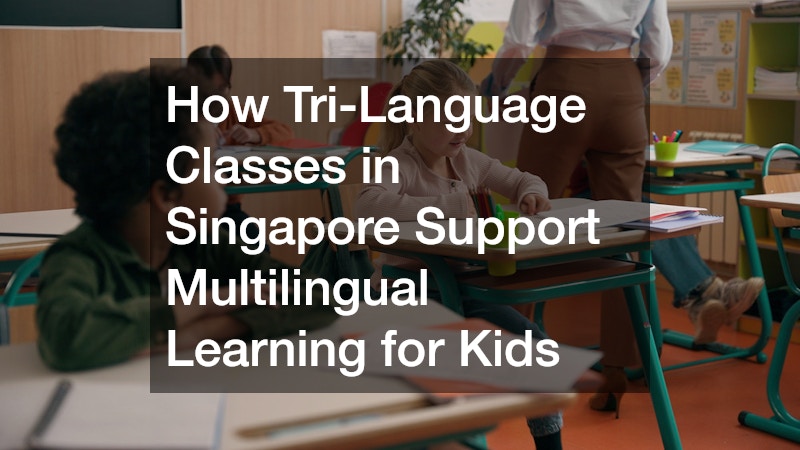
Tri-language classes in Singapore provide children with opportunities to develop language skills through lessons designed around their age, abilities, and learning needs. Rather than treating languages as isolated subjects, these programs can help children become familiar with different sounds, vocabulary, sentence structures, and cultural contexts.
With consistent exposure and supportive instruction, multilingual learning can become a natural part of a child’s education.
Building Familiarity With Multiple Languages
Children learn languages through repeated exposure and meaningful interaction. When they regularly hear and use different languages, they have more opportunities to recognize vocabulary, understand pronunciation, and associate words with specific situations.
A well-structured program can introduce each language at a pace appropriate for young learners. Instead of overwhelming children with extensive vocabulary lists or complicated grammar rules, teachers can incorporate songs, stories, games, conversations, and activities into lessons. These approaches give children opportunities to hear language used naturally.
Regular exposure also matters. Children may not become equally proficient in all three languages at the same rate, and that is perfectly normal. One language may be more familiar because it is spoken at home, while another may receive more attention in school. Consistent practice can gradually strengthen their understanding and confidence.
Developing Cultural Awareness
Language and culture are closely connected. Learning another language can introduce children to different traditions, customs, stories, celebrations, and ways of expressing ideas.
This can be particularly meaningful in Singapore’s diverse social environment. Children who encounter multiple languages in an educational setting may also gain greater awareness of the communities and cultures associated with those languages.
Teachers can incorporate cultural elements into lessons through children’s stories, songs, food-related activities, celebrations, and age-appropriate discussions. These experiences can help children understand that language is not simply a collection of words. It is also a way people share experiences and traditions.
Developing this awareness at a young age can encourage curiosity and respect for people with different backgrounds.
Creating Confidence Through Practice
Children may hesitate to speak a language when they are worried about making mistakes. A supportive classroom environment can make a significant difference. When teachers treat mistakes as a normal part of learning, children may feel more comfortable experimenting with unfamiliar words and sentence patterns.
Tri-language classes in Singapore can give children repeated opportunities to practice without expecting immediate perfection. Activities that involve pairs, small groups, or the entire class can allow children to gradually become more comfortable speaking.
Positive reinforcement can also help. Praising effort, participation, and improvement encourages children to continue practicing even when a particular language feels difficult. Over time, repeated success can build confidence and make children more willing to communicate.
Choosing an Appropriate Program
Parents considering multilingual education should look at several factors before choosing a program. The teaching approach, class size, lesson structure, age range, and experience of the instructors can all influence a child’s experience.
It is also worth considering how frequently children encounter each language. A program that provides consistent exposure and meaningful practice may be more beneficial than one that introduces several languages without enough opportunity for children to use them.
Parents should also consider whether the classroom environment feels welcoming and engaging. Young children are more likely to participate when they feel comfortable with their teachers and classmates.
Tri-language classes in Singapore can be a useful option for families seeking a structured approach to multilingual education, but the best program should match the child’s age, interests, existing language experience, and learning style.
Making Multilingual Learning Enjoyable
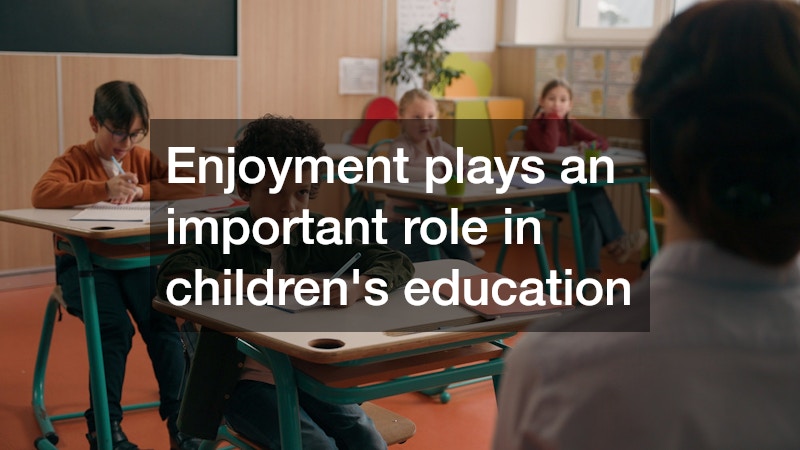
Enjoyment plays an important role in children’s education. If language learning feels like a constant test, children may become frustrated or lose interest. Interactive activities can make lessons feel more like exploration than memorization.
Games can reinforce vocabulary, songs can support pronunciation, and stories can introduce new expressions within a meaningful context. Group activities can also give children opportunities to practice communication while developing social skills.
Parents can support this approach by celebrating progress rather than focusing solely on accuracy. A child remembering a new phrase, understanding a question, or confidently greeting someone in another language can represent meaningful progress.
Multilingual learning can give children valuable opportunities to develop communication abilities, cultural awareness, confidence, and familiarity with different languages. In a diverse environment such as Singapore, early exposure can make multiple languages a meaningful part of a child’s educational experience.
The right program can make learning manageable by using age-appropriate activities, consistent practice, supportive instruction, and engaging classroom experiences. With encouragement from both teachers and families, children can gradually build their abilities while developing a positive attitude toward language learning.
For parents exploring tri-language classes in Singapore, focusing on a child’s individual needs and learning style can help identify an environment where multilingual education feels both productive and enjoyable.