
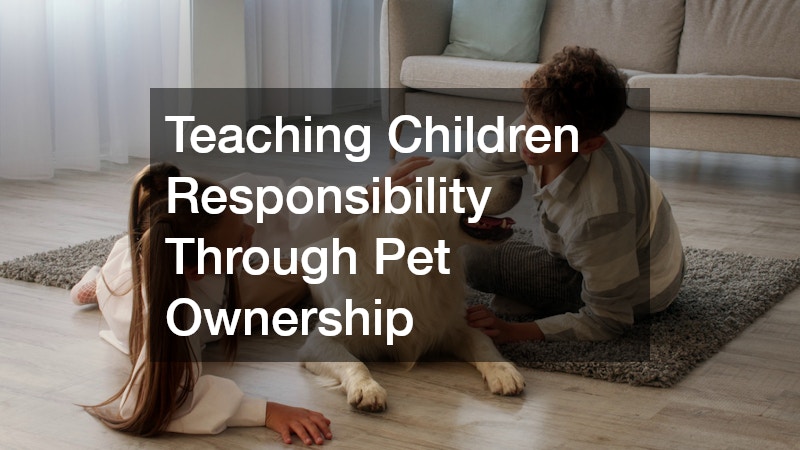
Bringing a pet into your home can be one of the most rewarding ways to teach children empathy, patience, and accountability. But raising a happy, healthy animal alongside happy, well-adjusted kids takes more than good intentions—it requires planning, structure, and a willingness to guide your children through both the fun and the less glamorous parts of pet care. If you are weighing whether your family is ready for a dog, cat, or other animal, this guide will help you think through the practical realities before you bring a new companion home. With the right approach, pet ownership becomes a hands-on classroom for responsibility that lasts well beyond childhood.
- Choosing a Pet That Matches Your Family’s Lifestyle
- Setting Age-Appropriate Responsibilities
- Building a Consistent Daily Care Routine
- Preparing Your Yard and Home Before Adoption
- Understanding the Real Cost of Pet Ownership
- Knowing When to Seek Professional Medical Help
- Protecting Home Systems From Pet Wear and Tear
- Involving Kids in Simple Home Repairs and Pet Messes
- Reinforcing Lifelong Lessons Through Pet Care
Choosing a Pet That Matches Your Family’s Lifestyle
Before you commit to any animal, take an honest look at your household’s schedule, living space, and energy level. A high-energy breed may overwhelm a family that travels often, while a low-maintenance pet might not give a very active child enough to do. Matching the pet to your lifestyle from the start prevents frustration and sets your child up to succeed in their new caregiving role.
- Consider your home size and whether you have a yard or live in an apartment.
- Think about how much daily exercise and mental stimulation the animal will need.
- Factor in allergies, existing pets, and the ages of children in the home.
- Research the expected lifespan so you understand the length of commitment involved.
Setting Age-Appropriate Responsibilities
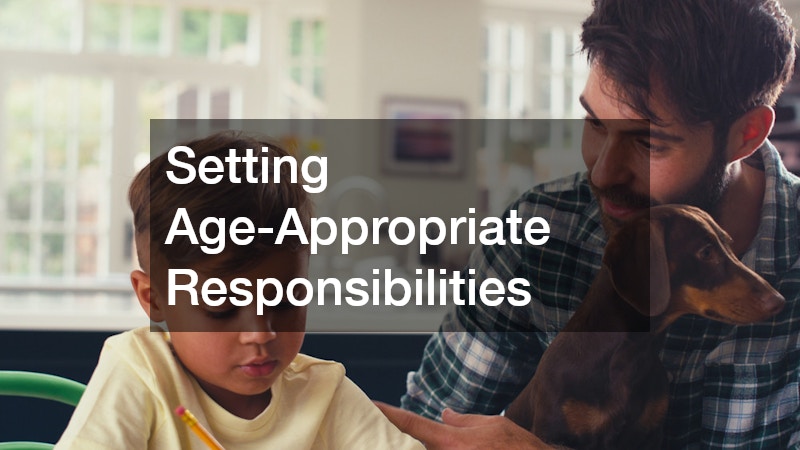
Children develop the capacity for responsibility gradually, so tasks should scale with their age and maturity. A five-year-old can help fill a water bowl under supervision, while a ten-year-old might manage feeding schedules independently. Giving kids ownership over small, manageable jobs builds confidence without setting them up to fail.
It also helps to write out a simple chore chart so expectations are clear and consistent. Visual reminders reduce nagging and give children a sense of pride when they check off completed tasks. Over time, you can add responsibilities as trust and skill grow.
- Toddlers and young children: help pour food, place bowls down with supervision.
- Elementary age: brush the pet, refill water, help with basic grooming.
- Preteens: manage feeding times, clean cages or litter boxes, walk the dog on a leash.
- Teenagers: schedule appointments, track expenses, help train new behaviors.
Building a Consistent Daily Care Routine
Pets thrive on predictability, and so do children who are learning new habits. Establishing set times for feeding, walks, and playtime helps your child internalize the idea that another living creature depends on them every single day. This consistency also supports dog behavior training, since animals respond best to routines that are reinforced the same way each time.
Encourage your child to keep a simple log of feeding times or bathroom breaks, especially in the first few months. This not only teaches accountability but also gives you an easy way to check that care is happening reliably. Small rituals, like a nightly walk before bed, become bonding moments that reinforce the value of showing up consistently.
- Assign specific times for meals rather than leaving food out all day.
- Create a simple checklist for morning and evening routines.
- Rotate walking duties among older children to share the responsibility fairly.
Preparing Your Yard and Home Before Adoption

A little preparation before your pet arrives can prevent accidents, escapes, and unnecessary stress. If your family plans to let a dog roam outside unsupervised, professional fence installation is worth considering, since a secure boundary keeps pets safely contained and protects neighbors and wildlife too. Children can even help with age-appropriate parts of this process, like choosing gate latches or painting sections of a wooden fence.
Beyond boundaries, think about what else might attract unwanted problems once a pet is in the house. Pet food left out can draw insects or rodents, so many households schedule routine pest control visits to keep the home comfortable for both people and animals. Involving kids in simple prevention tasks, like storing pet food in sealed containers, teaches them how everyday choices affect the whole household.
- Walk the yard for gaps, holes, or loose boards before letting a pet outside alone.
- Store pet food and treats in airtight containers to avoid attracting pests.
- Remove toxic plants or chemicals from areas your pet can access.
- Set up a designated pet area indoors to contain messes during the adjustment period.
Understanding the Real Cost of Pet Ownership
Many families underestimate the ongoing expenses that come with a pet, and this is a valuable lesson for children to learn early. Beyond food and toys, routine veterinary services such as vaccinations, dental cleanings, and wellness exams add up over the course of a year. Sitting down with your child to review these costs, even in simple terms, helps them understand that caring for a living being involves financial responsibility, not just affection.
Choosing a reliable veterinarian your family trusts is one of the most important early decisions you will make as pet owners. Building a relationship with one clinic allows for consistent record-keeping and better continuity of care as your pet ages. Bringing your child along to routine visits, when appropriate, demystifies the experience and reduces anxiety for future appointments.
- Budget for food, grooming, licensing, and preventive medications.
- Ask your clinic about wellness plans that bundle routine services.
- Set aside a small emergency fund specifically for pet-related costs.
Knowing When to Seek Professional Medical Help

Part of teaching responsibility is helping children recognize when a pet’s behavior or health signals a real problem. Persistent limping, vomiting, or sudden lethargy are signs that warrant a call to a dog surgery veterinarian or general practice for evaluation rather than waiting to see if symptoms resolve on their own. Teaching kids to notice and report these changes early reinforces the idea that they play an active role in keeping their pet safe.
It is also worth explaining what animal control does in your community, since this agency handles more than stray animals. They can assist with lost pet recovery, bite incidents, or concerns about aggressive animals in the neighborhood. Knowing these resources exist gives children a broader understanding of community systems that support responsible pet ownership beyond your own household.
- Watch for changes in appetite, energy, or bathroom habits.
- Keep emergency clinic contact information posted somewhere visible.
- Teach children to alert an adult immediately if a pet seems injured or in distress.
Protecting Home Systems From Pet Wear and Tear
Pets can be tough on the parts of your home you rarely think about, and understanding this helps children see the bigger picture of homeownership. Pet hair and dander can clog air conditioning filters faster than expected, reducing efficiency and air quality if filters aren’t changed regularly. Assigning an older child the task of reminding the family when it’s time to swap filters ties pet care directly into home maintenance habits.
Bathing a large dog frequently can also put extra strain on your water heater, especially in homes with multiple pets or children who enjoy giving baths as a chore. Teaching kids to be mindful of hot water usage during pet baths is a simple way to connect pet responsibilities with broader household awareness. These small lessons add up to a more complete understanding of how one choice affects the entire home.
- Check air filters monthly if pets shed heavily.
- Rinse pet bathing areas to prevent hair buildup in drains.
- Monitor water temperature settings to avoid unnecessary strain during frequent baths.
Involving Kids in Simple Home Repairs and Pet Messes
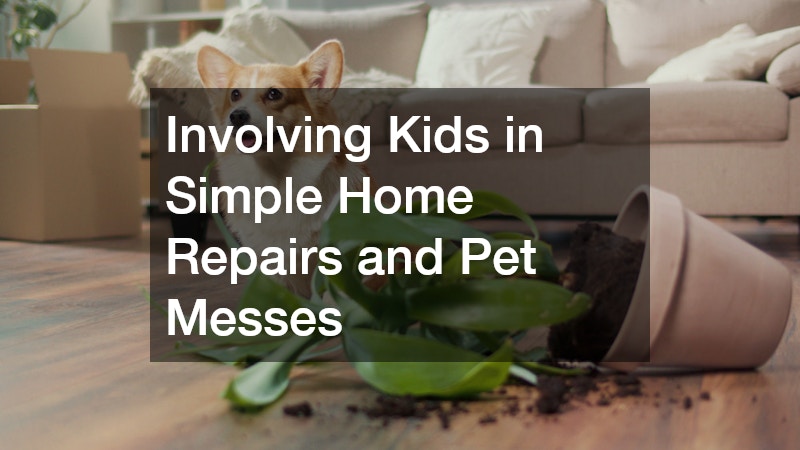
Pets occasionally cause minor damage, whether it’s a scratched door frame, a chewed baseboard, or a stained carpet corner, and these moments offer valuable teaching opportunities. Rather than treating every mishap as a parent’s sole burden, involve your child in age-appropriate home repairs, like sanding a scratched surface, wiping down a stain with the right cleaner, or helping choose a replacement item at the hardware store. Even a five-year-old can hand you tools or hold a dustpan, while a ten-year-old might help measure and cut a small patch for drywall.
Breaking the task into simple steps also helps kids understand cause and effect: identify what happened, gather supplies, fix the problem together, and check the repair afterward. Letting them pick between two paint swatches or two replacement baseboards gives them a small sense of ownership over the outcome. These low-stakes decisions teach that fixing something is often more productive than dwelling on how it broke.
This approach shifts the narrative from blame toward problem-solving and shared accountability. Over time, kids start to see home repairs not as punishments but as routine parts of caring for a household and its animals. That mindset builds resilience and reinforces the idea that mistakes, whether theirs or the pet’s, are simply chances to learn a new skill.
Keeping a small toolkit and basic repair supplies on hand makes it easier to address these situations quickly before they become bigger issues. A simple kit with a screwdriver set, super glue, duct tape, extra screen patch material, and a few furniture felt pads can handle most pet-related mishaps without a trip to the hardware store. Storing these items in a labeled bin that kids can access (with supervision) reinforces the idea that repairs are a normal, manageable part of pet ownership rather than a crisis.
Letting children watch or assist as you patch a screen door, repair a chewed cord, or use wood filler on a scratched table leg teaches practical skills alongside responsibility. Even young children can hand you tools, hold a patch in place, or help choose the right size screw, while older kids can learn to use a glue gun or measure a replacement part. Assigning age-appropriate roles keeps them engaged without turning the repair into a safety hazard.
Over time, this builds confidence that mistakes, whether caused by a pet or a person, can be fixed with effort and patience. It also opens the door to simple lessons about cause and effect, like discussing why a dog chewed the cord in the first place and how to prevent it next time. Framing repairs as problem-solving rather than punishment helps kids see pet ownership as a partnership in caring for their home.
- Keep a small “repair kit” in a labeled bin: wood filler, fine-grit sandpaper, matching touch-up paint, and a putty knife, so kids know exactly where to find what’s needed.
- Let older kids (ages 8+) practice sanding a scuffed chair leg or dabbing paint on a scratched baseboard under supervision, building real hands-on skills.
- Involve kids in choosing pet-proof furniture covers, scratch guards, or deterrent sprays at the store, giving them a say in preventing future messes.
- When accidents happen—chewed shoes, scratched doors, muddy paw prints on the carpet—walk through the fix together instead of scolding, explaining why the damage occurred and how to prevent it next time.
- Assign age-appropriate cleanup tasks, like blotting a stain or wiping paws before walks, so kids see mess prevention as part of pet care, not just punishment.
- Praise effort during repairs, not just perfect results, to reinforce that mistakes are manageable and problem-solving is a valuable life skill.
Reinforcing Lifelong Lessons Through Pet Care
The habits children build while caring for a pet often carry into other areas of life, from schoolwork to future jobs. Consistency, empathy, and follow-through are skills that transfer directly, and parents who acknowledge this connection help children see the bigger purpose behind daily chores. Celebrating milestones, like a full year of successful pet care, reinforces pride in their growth.
As children get older, gradually increasing their independence with pet care mirrors the way you might hand over other household responsibilities. This steady progression helps kids feel trusted and capable, which strengthens both their bond with the pet and their confidence in themselves. The goal is not perfection but steady, meaningful participation in caring for another living creature.
- Reflect together on how the pet’s needs have changed as it has grown.
- Set new goals each year, like learning a new trick or expanding chore duties.
- Praise effort and improvement rather than focusing only on mistakes.
Pet ownership offers children a genuine, hands-on way to practice responsibility, empathy, and problem-solving skills that carry into adulthood. By preparing your home, budgeting realistically, and involving kids in age-appropriate tasks, you set the stage for a positive experience for both your family and your new companion. Start small, stay consistent, and adjust responsibilities as your child grows more capable and confident. The effort you invest now will pay off in a well-cared-for pet and a more responsible, compassionate child.
